

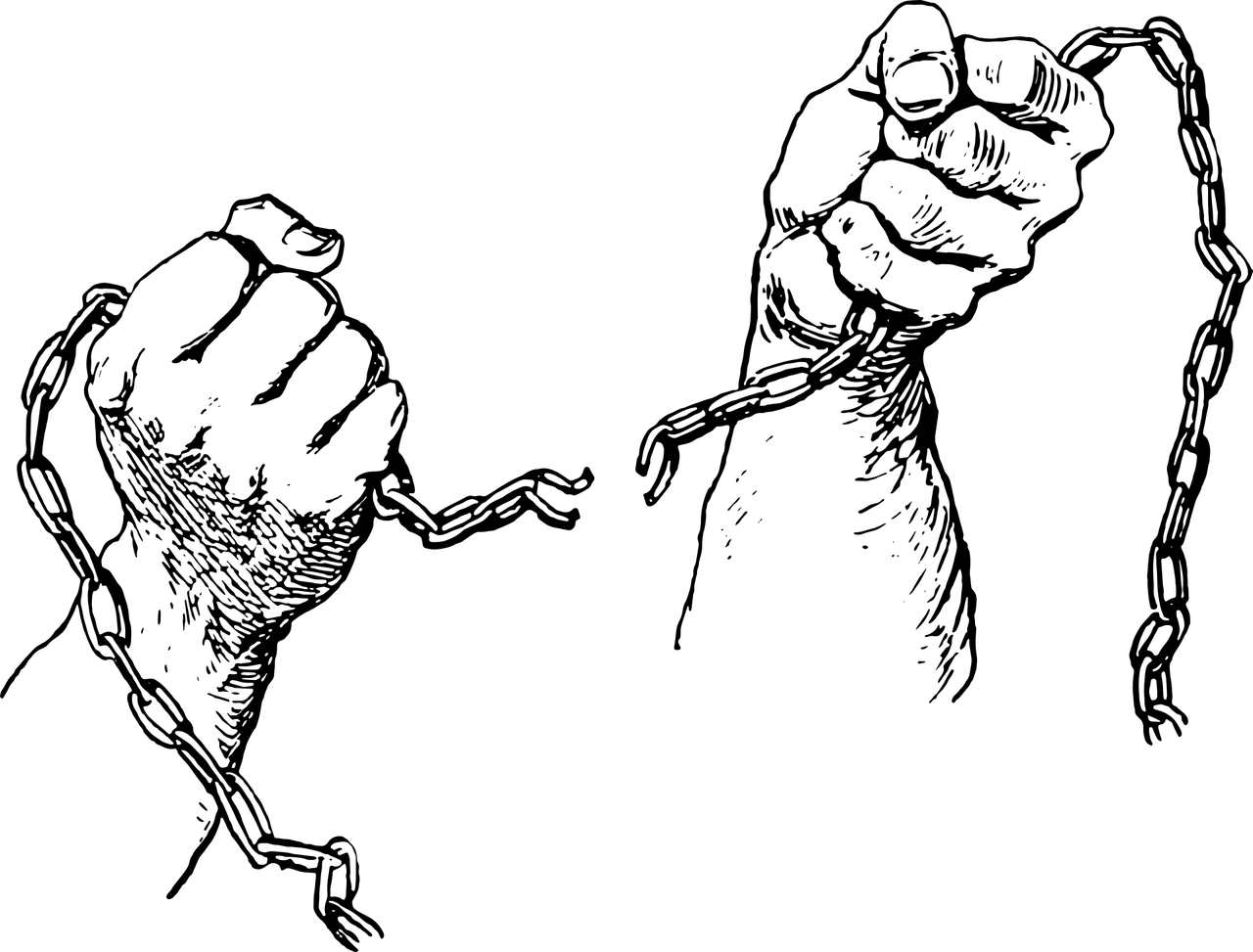
An opportunity to remember and reflect on the transatlantic human trafficking of enslaved African people and to promote racial equity in the world.
Today, Wednesday, August 23rd, marks the commemoration of the International Day of the Remembrance of the Slave Trade and its Abolition, as decreed by the General Assembly of the United Nations. The date coincides with the insurrection of African men and women, enslaved in Saint-Dominique, western part of the then known island of Hispaniola - today Haiti.
The transatlantic human trafficking of enslaved Africans is a sad and painful part of human history that has left deep scars on the identity of many peoples and nations. For more than four centuries, millions of African people - men, women, boys and girls - were kidnapped, abducted, raped, sold, separated from their families and forced to work in inhumane conditions on plantations in the Americas and other regions of the world. This subhuman practice had a devastating impact on the culture, economy and psyche of people of African descent, and its consequences, like systemic racism, are still felt today.
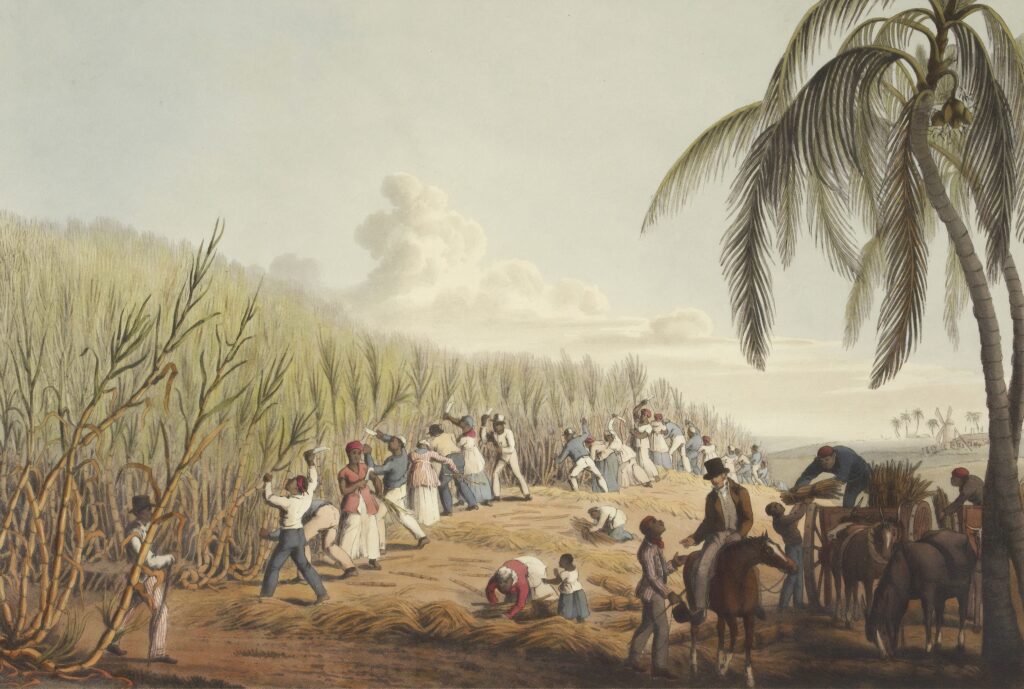
To honor the memory of each of these lives, we must acknowledge their pain and provide the reparations they deserve, so that in unity we may pursue racial equity as a latent fiber of our society.
It is essential to remember the crimes against humanity that were perpetrated then, and to reflect on the human trafficking of enslaved people that still occurs today. It is essential to take concrete actions to build a more just and equitable future.
Time of action
As a first starting point, you should recognize the tragedies and injustices committed, as well as to understand how they have influenced in the current social and racial structures of our society. Followed by a reflection on human trafficking of enslaved persons that transcends the historical issue and addresses contemporary arguments related to reparations for crimes against humanity; and eradicating systemic racism towards racialized and marginalized communities.
Debates and discussions The openness about reparations, systemic racism and current inequalities in public policy are critical to raising awareness and fostering real and inclusive change. In addition, education about the history of slavery from an African perspective should be a starting point for a deeper understanding of today's racial and decolonization issues.
Actions to commemorate this day
We suggest below a series of actions to commemorate this day or to be developed during the year, in order to collaborate with the construction of racial equity.
Support for inclusive education: Promote educational initiatives for children that emphasize the importance of diversity, equity and inclusion. For example, arts-based educational curricula that reflect the variety of perspectives and experiences of the different cultures and ethnicities that make up our communities.
Promotion of representation in the media: Promote equitable representation of all races and ethnicities in the media, television, film and advertising to counteract stereotypes and prejudices.
Investment in marginalized communities: Affirm programs and projects that address socioeconomic inequalities in marginalized communities, providing access to educational, employment and health opportunities.
Promotion of anti-racist and racial equity public policies: Advocate for public policies that directly address systemic racism and promote equal opportunity for all people, regardless of ethnicity.
Support to organizations and activist groups: Provide support to organizations and groups fighting for racial equity, either through donations, volunteering or information dissemination.
Intercultural dialogue and collaboration: To provoke dialogue and collaboration between different cultural groups to promote mutual understanding and the building of bonds of empathy and solidarity.
Celebration of diversity: To organize cultural events that celebrate ethnic diversity, promoting mutual respect and understanding.
Remembering and reflecting on the transatlantic slave trade is critical to better understand today's racial inequalities and promote a shift toward equity. By taking concrete action, we can honor the memory of those who suffered, and work in unity to build a future in which every human being is treated with equality and respect, regardless of ethnic or racial origin.
By Hiram Williams Figueroa, J.D. / Director, Institute for Building Racial Equity in the Americas
Color photo: British Library at Unsplash | Black and white photo Image by Colleen from Pixabay