

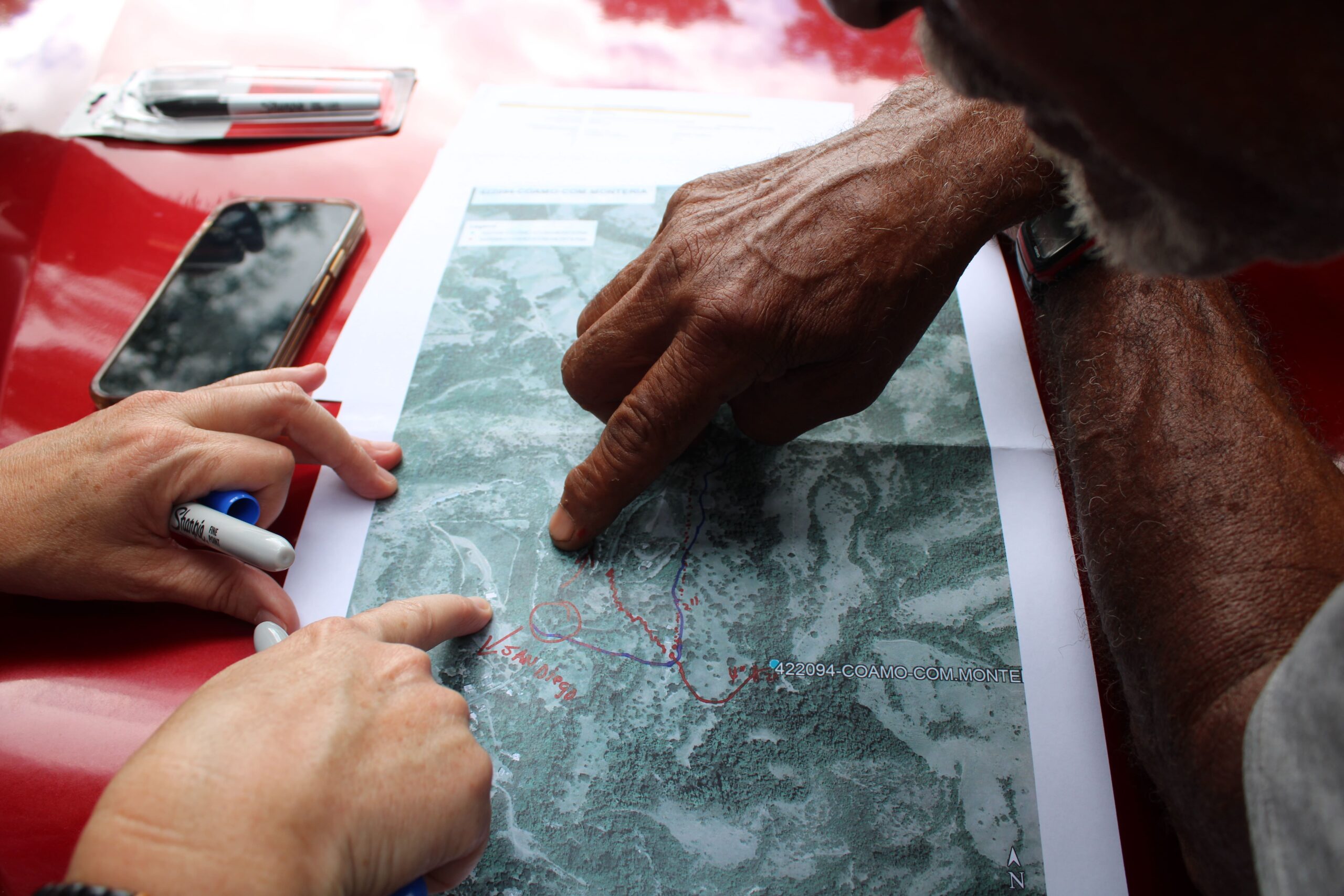
The goal and objective are very clear: to have energy redundancy, that is, more than one source of energy, to avoid interruption of the water service that reaches their homes through the community aqueducts.
Community aqueducts are infrastructures independent from the central system and self-managed by the communities themselves, which provide access to drinking water to over 100,000 people in our communities. Without a redundancy system, water service would be interrupted, which would limit them in food preparation, personal hygiene, cleaning and even put the health of residents at risk, areas that were dramatically accentuated during Hurricane Maria.
Without electricity, the aqueducts that use wells cannot extract water through the wells. pumping. Therefore, energy redundancy is critical for these communities: if there is no grid electricity, they have the solar system; and if they don't have the solar system, they have the electricity generator.
“I hope to God that there will be no problem (when we have all the equipment), because if one fails, the other will start,” he said. Eurípedes Mateo Cruz, president of the Montería Community in Coamo, which manages the community aqueduct that serves 82 homes.
This is one of the communities that, along with others, such as Usuarios de Pozo Profundo (Piñas I) in Caguas, have been evaluated for the Energy Redundancy for Community Aqueducts project led by the Puerto Rico Community Foundation (PRCF). The project is made possible by a grant from the Federal Emergency Management Agency (FEMA) Hazard Mitigation Program through the Central Office of Recovery, Reconstruction and Resilience (COR3).
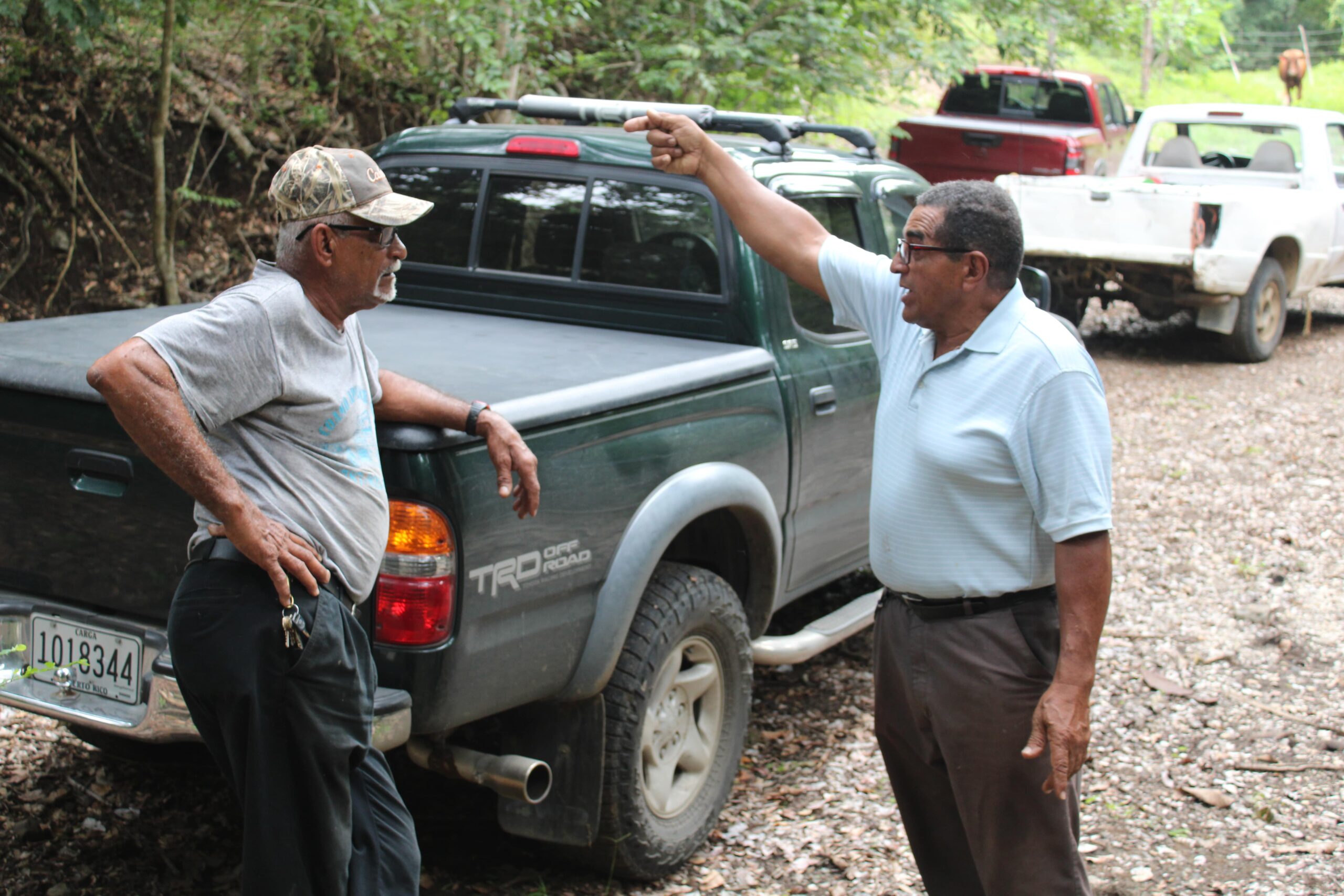
The project will make it feasible for communities with community aqueducts to have water supply equipment. pumping high efficiency water treatment system, photovoltaic equipment for solar generation and/or emergency generator with integrated fuel storage tank.
“With this project we are getting the plates we need to have the three pieces of equipment working, just in case an emergency happens.”.
Eurípedes Mateo Cruz, president of the Montería Community in Coamo
The Monteria Community has a 250-foot deep well, they already have a generator provided by the Federal Department of Agriculture, and with the FCPR project they would have the necessary equipment to operate with solar energy and integrate other energy sources as needed. This provides them with a robust redundancy system. For example, the generator they purchased allowed them uninterrupted water service during Hurricane Fiona, Euripides shared.
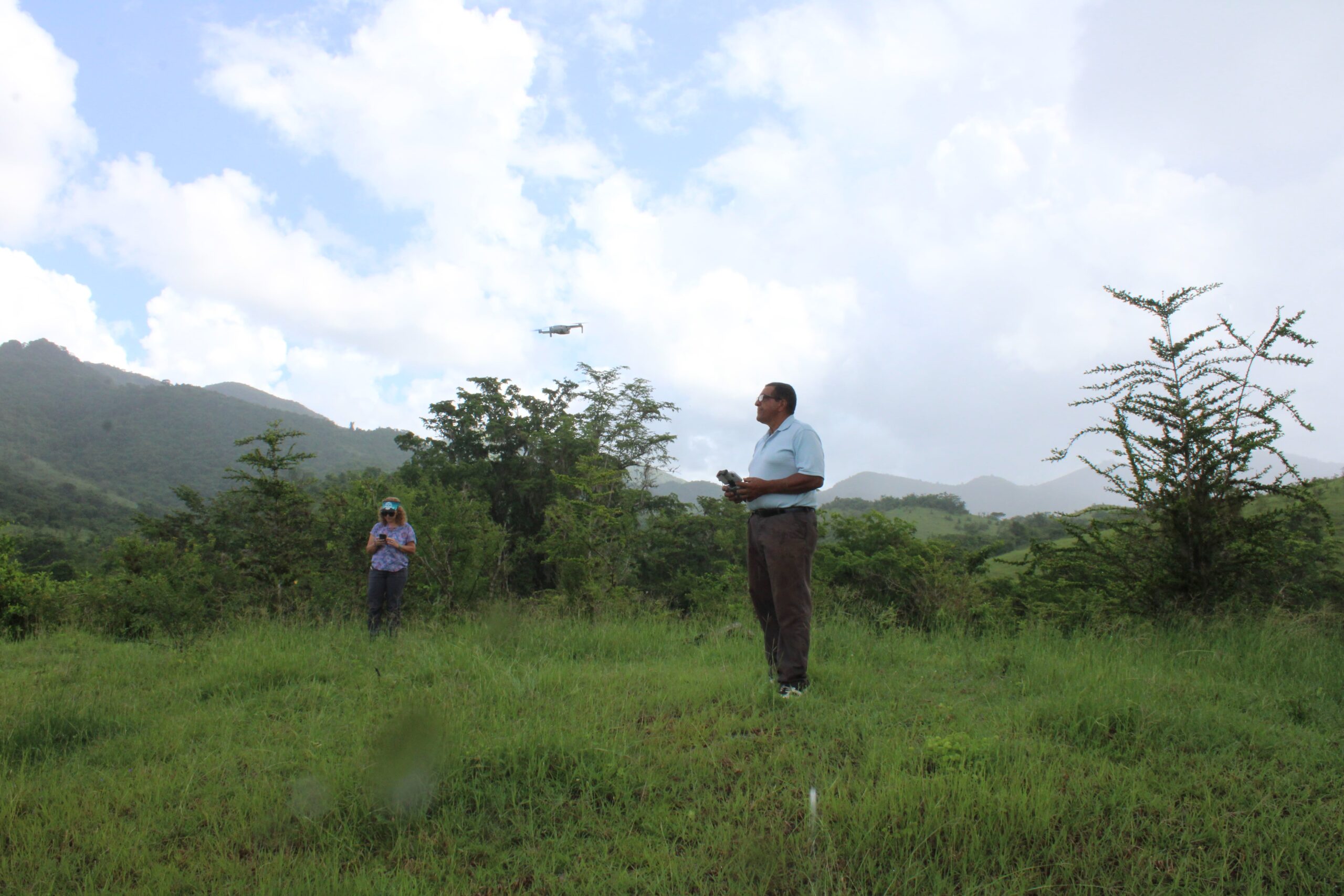
“We had no problems during Fiona, although the power went out. There was no light, but we had the plant and it was full of diesel. With Maria there was no na’, here, there was no plant or ná. We were without electricity for six months, and without water. The municipality brought it (the water). That was too hard a blow, hard because there was no water, no electricity, we had to spend money on gasoline for the plants, fetch water, go to the streams to wash...”.
The Energy Redundancy Project for Community Aqueducts is in the planning and preliminary design stage.
At this stage, context-specific engineering analyses are performed to determine the technical feasibility of the project and the optimal equipment or systems that could be installed in each community, as well as their possible location. This information is required by FEMA prior to final approval and recommendation of the project for the construction stage.
During this stage, about 75 communities with aqueducts potentially eligible to benefit from the project have been identified. At present, technical analyses and preliminary designs have been completed in 25 communities and another 31 communities are in the process of being completed, for a total of 56 communities. This stage is expected to be completed during the first quarter of 2023.
Given that the project is aimed at supplying energy alternatives, aqueducts that are supplied by surface intakes that operate by gravity and do not rely on electric power for water extraction and distribution to their communities were not eligible. Other aqueducts also face challenges in terms of land availability and ownership for the location of equipment, among other issues that affect the viability of this type of project.
The challenge of self-managing water
In Puerto Rico there are 240 rural communities that self-manage their water service through community aqueducts - this includes some institutions. These communities have to figure out how to access potable water, since the central system administered by the Puerto Rico Aqueduct and Sewer Authority (Prasa) does not reach these communities due to the difficulty of accessing certain areas in the mountainous zone.
“A pipe breaks, the community has to work. The pump breaks, the community has to get it out of there. There is no help here, and this is a treasure. We have to conserve it, whatever it costs us, and invest the money that has to be invested, looking for it even under the rocks”.
Miguel Sánchez, president of the community Usuarios Pozo Profundo (Piñas I) in Caguas.
The responsibility that community aqueducts have on their shoulders is heavy, including administration, community organization, compliance with water quality and infrastructure maintenance. In addition, there are budgetary and leadership transition challenges, the latter due to the fact that many of the people in charge of the country's aqueducts are older.
“We are already back. We need new kids to learn how to deal with this and continue. It was our parents who started it, and then we came and stayed. This is a chain, one goes and the next one comes and that's how we are,” says Miguel, whose community aqueduct serves 65 houses.
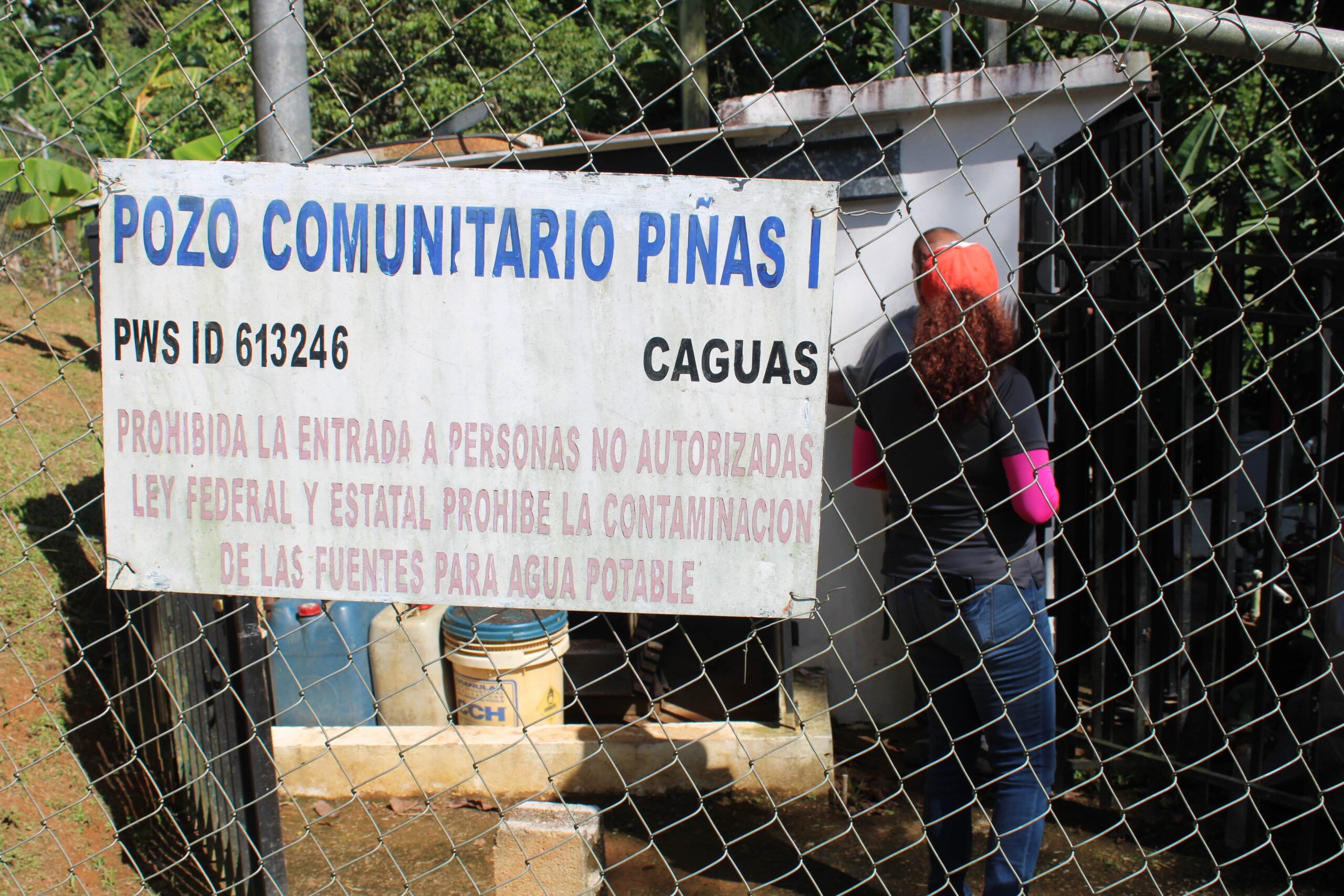
This, however, does not mitigate the alternative benefits that self-management around the aqueducts has brought, such as the potential for other projects.
“The aqueduct has allowed me to relate to my community and learn about each of its problems. When they call me for donations, for example, I know where the need is,” he says. Nilda Rivera, secretary and treasurer of the Pozo Profundo (Piñas I) aqueduct in Caguas.
In the case of this community, the project could make the acquisition of a generator feasible, since they do not have space for a solar system.
“For me it is a success that the community has its own water because the community unites, takes care of the water because it knows that we need it because we don't have more nothing’.’”, shared Nilda.
In the case of the aqueduct of the Montería Community in Coamo, the most that causes them “headaches” is when the pump is damaged. “We have to take it out and put a new one back in,” said Euripides.
“And is that very frequent?” he was asked.
“Right now it was damaged twice in a row,” he replied. The cost of a pump is estimated at between $4,000 and $5,000, plus installation costs. “We as a community have to continue to struggle with this,” explained Euripides.
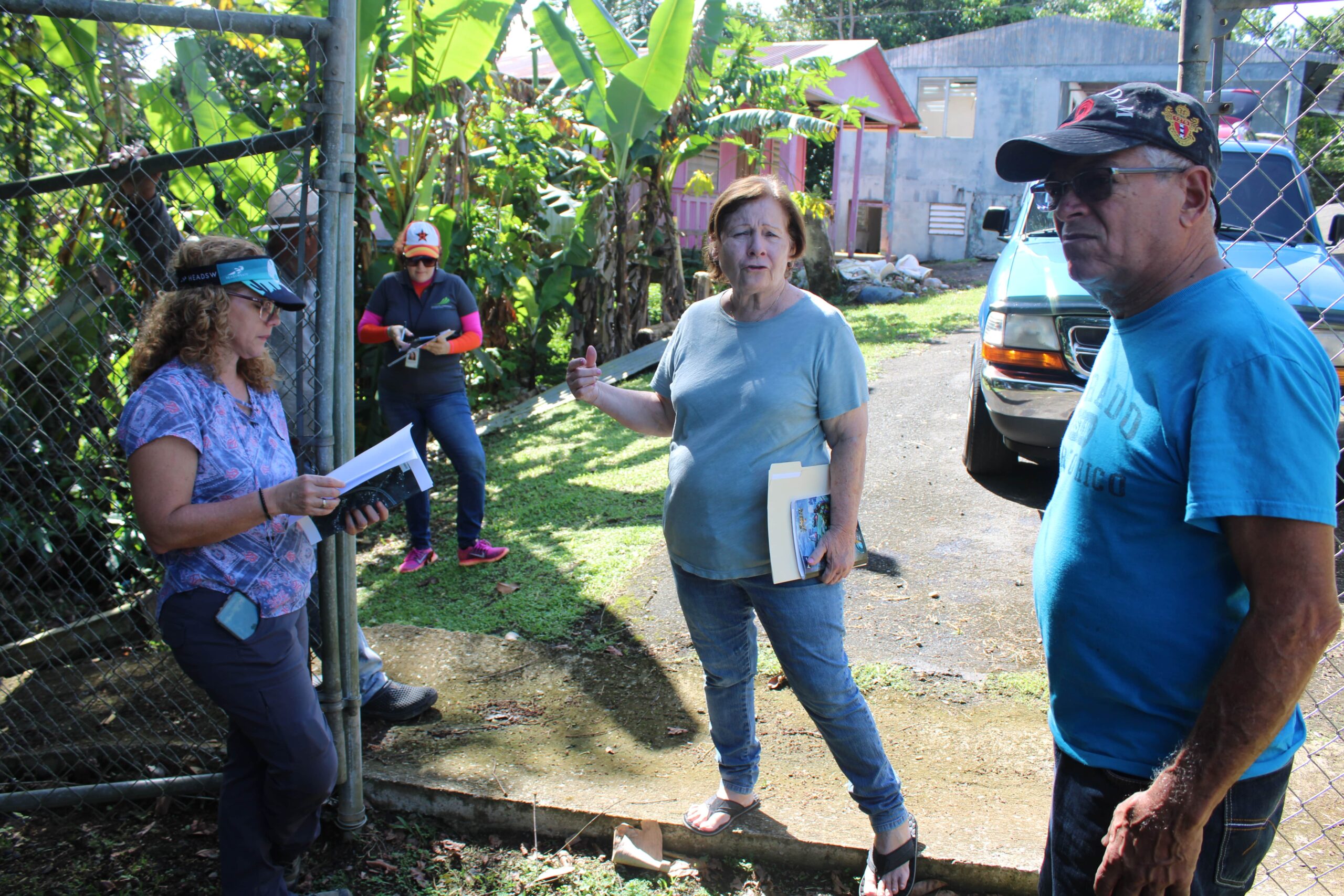
For decades, this has been the case. Therefore, they look forward with enthusiasm and hope to the opportunity to receive assistance to strengthen their infrastructure through energy redundancy, so that they will never lack water.
In the aftermath of the ravages of Hurricane Maria in September 2017, the Puerto Rico Community Foundation (FCPR) developed the Water For Us. Its focus is to provide access to safe drinking water by strengthening community aqueducts. To achieve this, it strengthens four essential areas of community aqueducts: infrastructure, community organization, administration and compliance with regulatory agencies. One of the projects of this program - currently under development - is energy redundancy for community aqueducts.
LEARN MORE about this project at Energy for Community Aqueducts
By Libni Sanjurjo / Communications Officer of the Community Foundation of Puerto Rico