
Energy Redundancy Project for Community Aqueducts
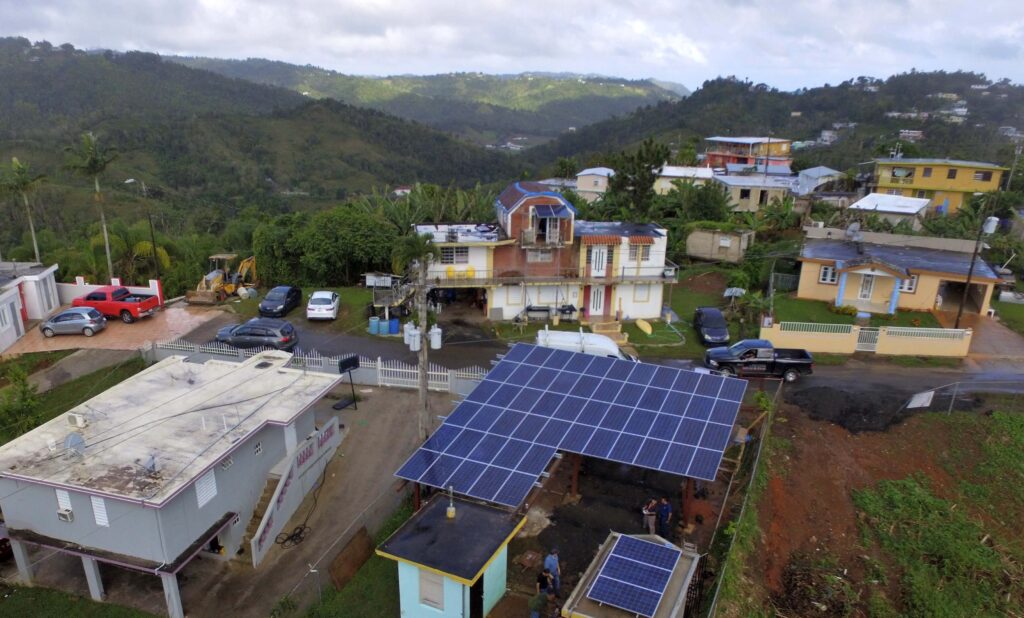
In the aftermath of the ravages of Hurricane Maria in September 2017, the Puerto Rico Community Foundation (FCPR) created the Water For Us. Its primary focus is to provide access to safe drinking water by strengthening community aqueducts. To achieve this, it strengthens four essential areas of community aqueducts: infrastructure, community organization, management, and compliance with regulatory agencies.
One of the projects of this program - currently under development - is the Energy Redundancy for Community Aqueducts. Learn more about this social justice, equity and community prosperity project.
About the project
The Energy Redundancy for Community Aqueducts project is being carried out under the Federal Emergency Management Agency (FEMA) Hazard Mitigation Program (HMP), which is implemented through the Central Office for Recovery, Reconstruction and Resiliency (COR3).
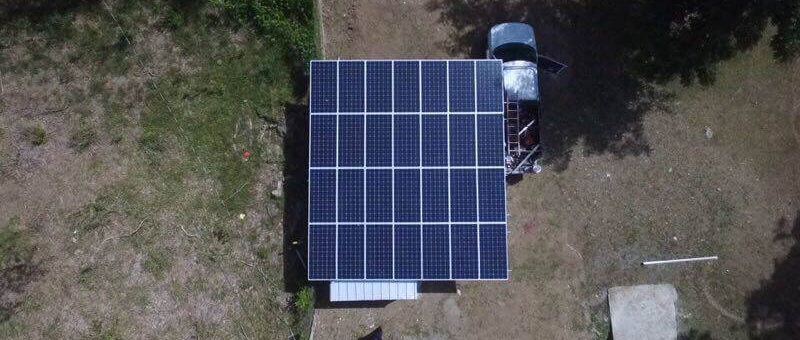
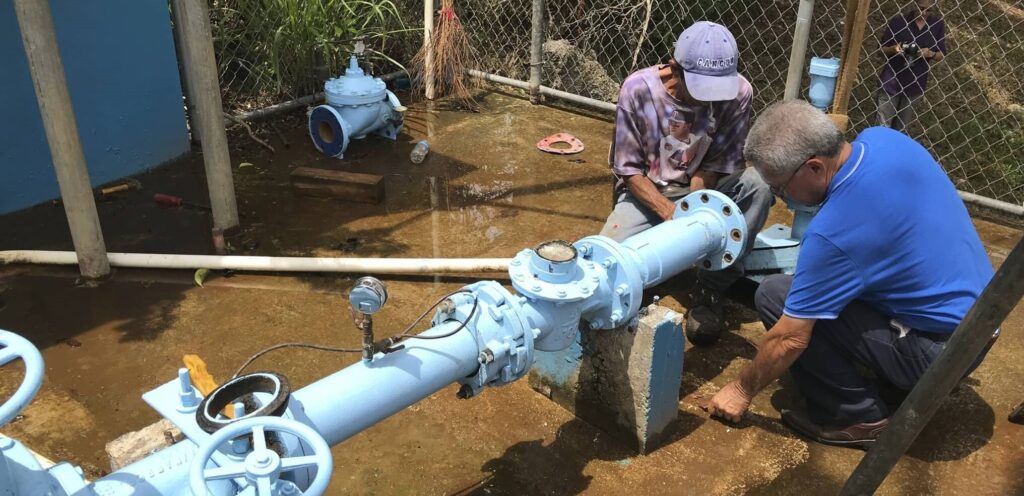
The project will provide the communities with water pumping equipment, photovoltaic equipment and an emergency generator to allow uninterrupted operation during emergencies, blackouts or power outages.
1
High efficiency water pumping equipment with the capacity to operate with solar energy, electricity from the Electric Energy Authority (AEE) grid or by means of an emergency generator.
2
Photovoltaic equipment for solar energy generation.
3
Emergency generator with integrated fuel storage tank.
Project benefits
- Provides power backup systems to community aqueducts to achieve continuity of water service during emergencies.
- Reduces health risks and vulnerabilities associated with lack of potable water.
- It increases community resilience, disaster preparedness, improves access to safe drinking water and empowers communities through capacity building.
Project phases: planning and design (phase 1) and permitting and construction (phase 2)
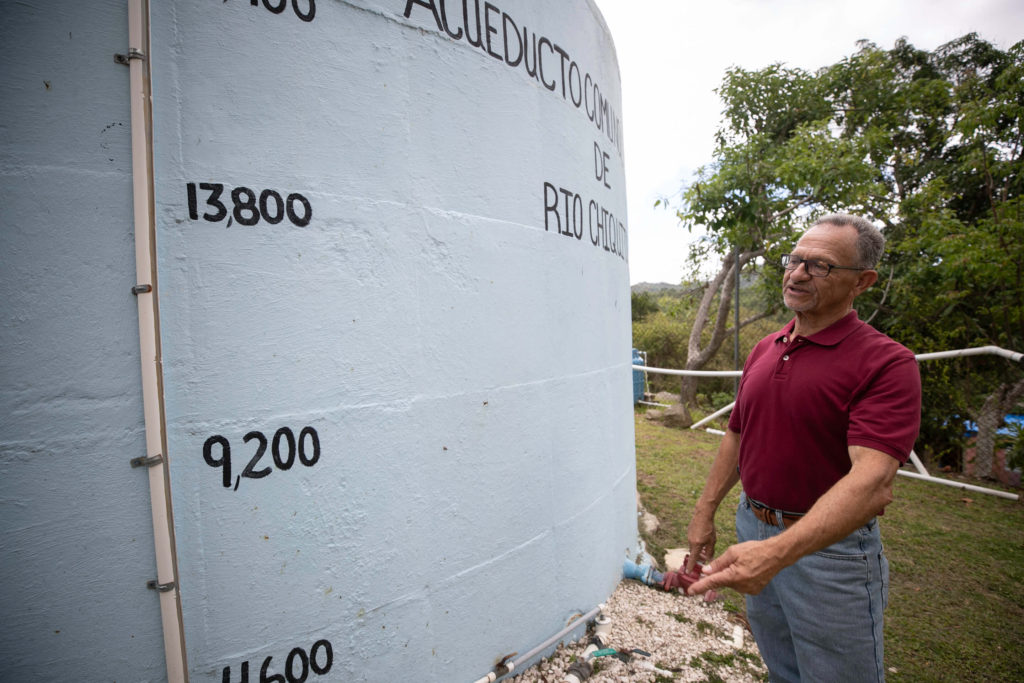
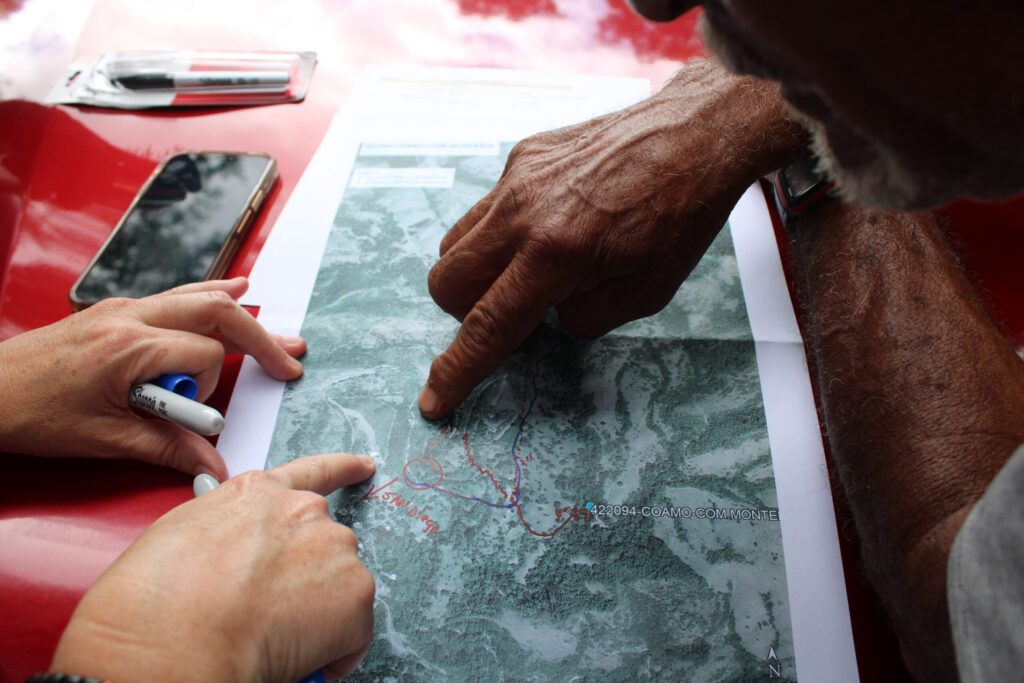
We are located in the Phase I. As part of this phase, information on the communities and community aqueduct systems has been collected. In addition, we are conducting feasibility analyses to determine the optimal equipment, preliminary design and location of the project components in each community. “The experience with the project has been totally positive, we see effectiveness, that is, there have been many communications, many calls and visits to the project; and steps have been taken to move us to the next stage, and the next stage would be the construction stage,” shared Feliciano Santiago, administrator of the San Diego Residents Association, in Coamo. “We decided to participate in the project because the board of directors is interested in moving the aqueduct to a stage of sustainability and efficiency to better serve our subscribers. And we found this project to be a very effective tool to achieve that sustainability,” he added. This first phase will also include community participation and training processes, as well as collaboration agreements between the FCPR and the communities.
May water never be lacking....
Did you know*...?
- 35 of 164 community aqueduct boards have the following as their president to a woman (129 men).
- 12 of 86 community aqueduct boards have the following as their vice-president to a woman (74 men).
- 103 of 113 community aqueduct boards have a woman as a member. secretary (10 men)
- In the case of the position of treasurer, 63 are women and 65 are men.
- 47 community aqueducts are equipped with an certified aqueduct operator by the State Department and of these, five are operated by women.
*Data from a survey of community aqueducts participating in FCPR's Community Aqueduct Energy Redundancy project. 212 community aqueducts were surveyed, of which 172 had information on their community boards (the number of aqueducts providing data on each of the positions varies).
acueductoscomunitarios@fcpr.org 787-349-7652.