

Hiram Williams / Director REBIA / Racial Equity Program of the FCPR
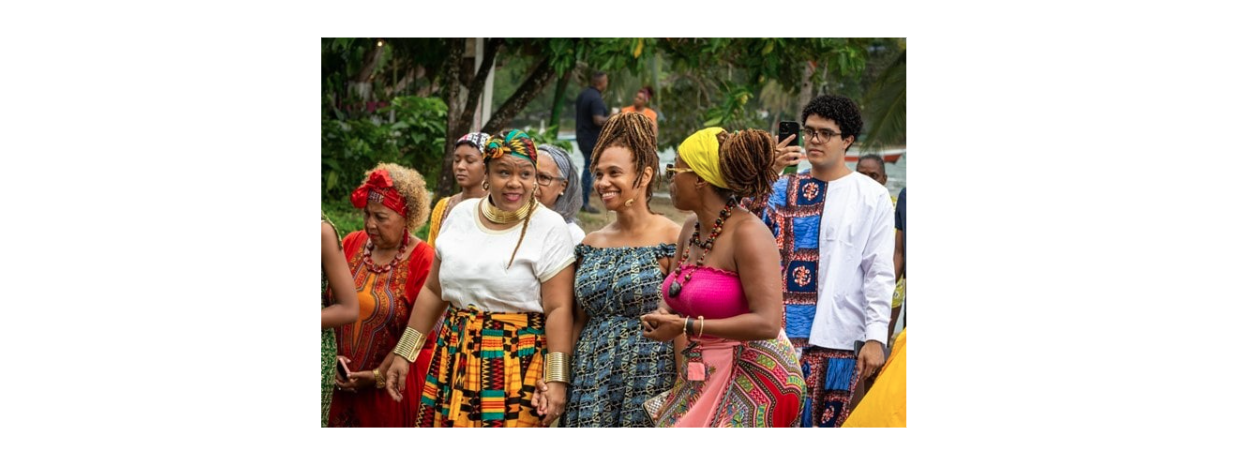
Visit Puerto Viejo, a coastal town located in the province of Limón, Costa Rica, was a transforming experience. I did so in order to participate in the Wátima Wéyu Uolaba: Unity in Brotherhood and Solidarity; Protection of Ancestral Land: Territories, Afrodescendant Peoples and Human Rights in Costa Rica.
The event, organized by the Ethnic Community Development Organization (ODECO) and the Afrodescendant Tribal Association of the Southern Caribbean (ATACS), was held December 1-3. Its purpose was to strengthen knowledge of the territorial and cultural rights of Afro-descendant communities; promote cultural exchange with the Garifuna family of Honduras; and train participants in the use of legal tools and in the defense of their human rights.
The meeting was attended by Afro-descendant groups leading the defense of their ancestral lands in Limón and prominent leaders such as Quweku Zulu, of the Afro-Costa Rican Tribal Forum; Gregoria Jiménez, president of ODECO (Garífuna People); Eric Phillips, vice president of the Caribbean Community (CARICOM) Commission on Reparations for Slavery; Roberto Rojas, head of the Vulnerable Groups Section of the Organization of American States (OAS); and Pastor Murillo, member of the United Nations Permanent Forum on People of African Descent.
As a representative of the Racial Equity Building Institute of the Americas (REBIA), I participated in one of the discussions at the event to elaborate on the role of philanthropy in strengthening Afro-descendant struggles, reaffirming our commitment to support initiatives in the Americas that seek to build racial justice, equity and historical reparations.
Being in Limón was special, not only because of the cultural richness of its Afro communities, but also because of its deep connection with Marcus Garvey, an Afro-Jamaican leader who fought against discrimination and racism worldwide. Garvey established a significant connection with Limón, as it was the place where he began his political militancy, and the key place for the Universal Negro Improvement Association Movement (UNIA) who dreamed of a free and united Africa. This legacy lives on in his house museum and in the resistance of the communities.
It was also a privilege to meet Afro-Costa Rican writer Quince Duncan, whose work brings to life the stories of the African diaspora in Costa Rica. His words resonated with the strength of the gathering, showing how storytelling can be a powerful tool for resistance and cultural preservation.
Finally, the experience would not be complete without tasting the rondón -a coconut, fish and root stew- and the rice and beans, prepared with the unique flavor of the Afro-Caribbean tradition.
In short, this trip reaffirmed for me the importance of partnerships, the power of historical memory, and the commitment to the struggle for racial justice in our communities.