
We strengthen the capacities of communities to ensure sustainable and safe access to drinking water.
In Puerto Rico, hundreds of communities depend on community aqueducts to access clean water. Since 2017, the FCPR has been working with these communities to strengthen their systems, capacities, and organization, promoting solutions that help ensure access to water in emergencies and in the long term.
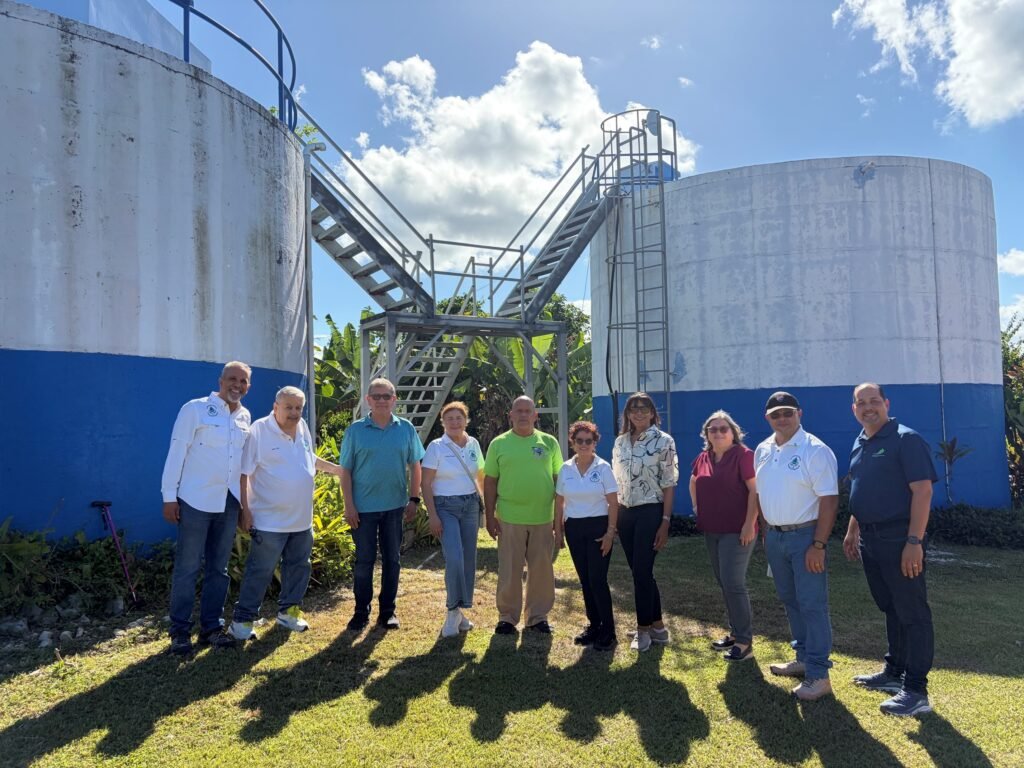
In Puerto Rico, access to clean water faces challenges that go beyond a temporary emergency. Decades of deterioration and a lack of investment in infrastructure, disruptions in service, and vulnerable systems combine today with drought conditions that worsen water availability.
In 2026, declining reservoir levels and dry conditions have led to water rationing and periods of service interruptions affecting more than 500,000 people across various sectors of Puerto Rico. According to recent data from the U.S. Drought Monitor, 44% of the Island faces extreme drought. The situation highlights a reality that many communities have known for decades: having access to clean water requires prepared systems and the ability to respond when the system fails.
For the Puerto Rico Community Foundation (FCPR) this reality is not new. After Hurricane Maria in September 2017, the FCPR created Agua Pa' Nosotros, an initiative aimed at strengthening community aqueducts and the capacities of the communities that depend on them.
Today, Agua Pa' Nosotros works from various fronts – infrastructure, community organization, and emergency response – to help more communities manage, protect, and sustain their access to clean water.
AGUA PA'NOSOTROS FUND
We support community-based solutions to meet the needs for access to clean water.
Established by the FCPR, the Agua Pa’ Nosotros Fund, is a mechanism to channel resources towards community-based organizations that manage water pipelines and towards communities that face situations of vulnerability related to access to water.
Needs related to access to water do not always require large infrastructure. Sometimes, a community needs to repair a pump, acquire essential materials, or have access to potable water while facing a service interruption.
TYPES OF SUPPORT PROVIDED THROUGH THE FUND:
1 Repair of community aqueducts
Resources to support repairs and improvements to existing community aqueduct systems when their components are deteriorated and affect their ability to provide the service.
These resources address the needs for repair and maintenance of existing infrastructure and are distinct from the investments in energy redundancy systems contemplated in the Community Waterworks Energy Project.
2 Water distribution in emergency situations
Resources to facilitate the distribution of potable water through water tankers to communities facing droughts, rationing, or other situations that limit their access to water.
ENERGY FOR COMMUNITY AQUACULTURE
Energy redundancy to ensure continuity of the water service
After the devastation caused by Hurricane Maria in September 2017, the FCPR created Agua Pa' Nosotros, an initiative aimed at strengthening community aqueducts and contributing to ensuring access to clean water in the communities they serve.
As part of this effort, the FCPR developed the Energy Redundancy for Community Aqueducts, This project aims to reduce the vulnerability of these systems to blackouts, emergencies and other disruptions to the electricity service.
About the project
The project is being developed under the FEMA Risk Mitigation Program, implemented through COR3.
1
High efficiency pumping
Pumping equipment capable of operating using solar energy, the electrical grid, or an emergency generator.
2
Solar energy
Photovoltaic systems to generate energy and support the operational continuity of the aqueducts.
3
Emergency generation
High-efficiency diesel generators with an integrated fuel storage tank to respond to power outages.
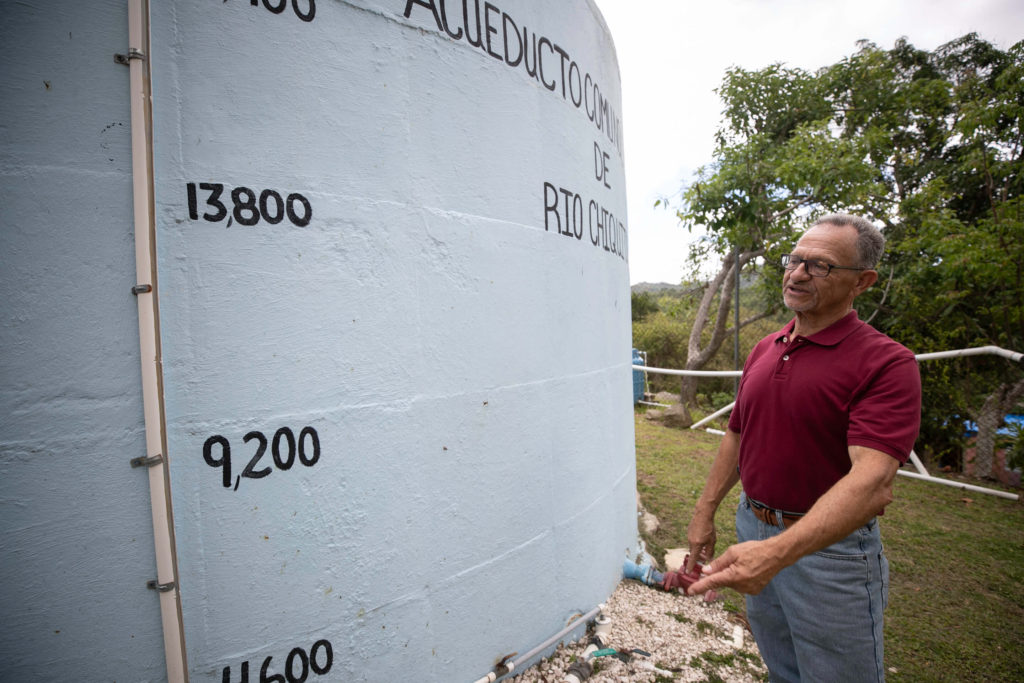
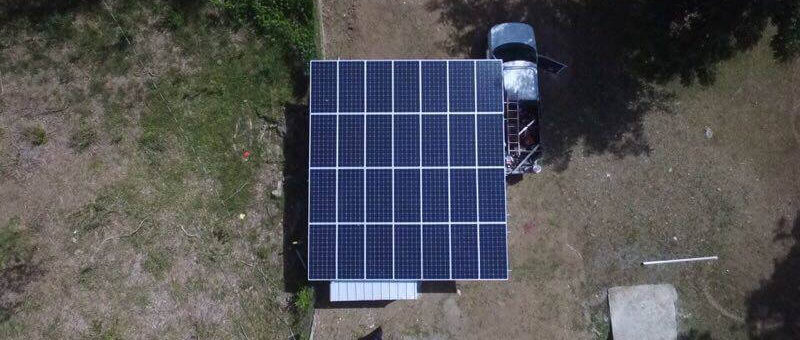
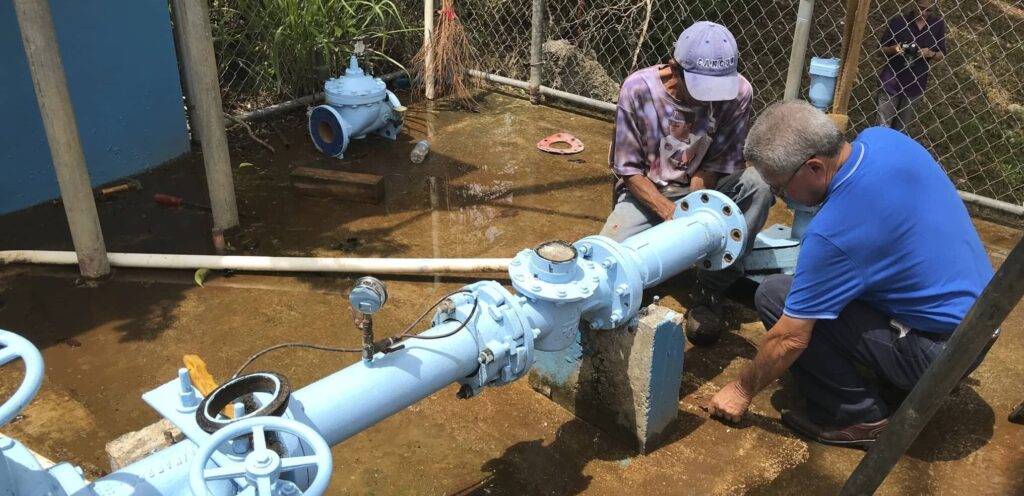
Why is it important?
- Continuity: It allows the water pumping operation in aqueducts to continue during emergencies and blackouts.
- Security: reduce the risks associated with the interruption of access to drinking water.
- Preparation: strengthens the ability of communities to respond to disasters.
- Self-management: contributes to strengthening the capacities of community organizations.
Project status
After completing and submitting the deliverables required for Phase 1 in 2025, state and federal agencies have been reviewing and evaluating the documentation to proceed with the approval of the second phase of construction that would benefit at least 40,000 residents in the 61 community aqueducts included in the project. Given the extensive nature of the project, and to be able to have effective impact, as part of that evaluation it was agreed to split the project into segments or batches.Batch«.
In January 2025, the first batch was approved,Batchwhich allowed the revitalization of the engine room and the installation of a 20kw diesel generator withtransfer switchfor the Aislada en Desarrollo Aqueduct in Aguada, which serves 440 people.
In April 2026, Batches 2 and 3 were approved,Batch enabling the start of the process for at least 13 more community aqueducts in the towns of Añasco, Lares, Yauco, Adjuntas, Corozal and Orocovis to have new equipment, including a generator, pump and photovoltaic equipment, benefiting about 3,500 people.
Currently, we are awaiting final evaluations from state and federal agencies for the approval of the installation and construction of the remaining 48 community aqueducts, which will impact an additional approximately 27,000 people.
THE ASSOCIATION OF COMMUNITY AQUEDUCTS
For decades, community aqueducts have been an expression of community self-management and organization in Puerto Rico. To strengthen their collective voice and promote their sustainability, in 2019 the FCPR facilitated a series of regional meetings that culminated in the creation of the Association of Community Aqueducts of Puerto Rico, Inc.
A network that represents the communities.
Puerto Rico There are 240 community aqueducts.
60+ aqueducts participated in the meetings that led to the Association. Today, 109 community aqueducts are part of the Association. 4 regions represented. 120,000 people receive drinking water service through community aqueducts.
What does the Association do??
Strengthening the links between the community aqueducts Puerto Rico.
Amplifying their voice before government agencies and other sectors.
Facilitate the exchange of knowledge, experiences and solutions.
Promote the self-management and future sustainability of the aqueducts.
The role of FCPR
The creation of the Association is the result of a community organization process led by the FCPR.
The creation and strengthening of the Association represents an increase in the social capital of the communities, by creating a collective structure that allows them to organize themselves, share resources and knowledge, and have a common voice.
When water cannot reach the community through the aqueduct, we help bring it to the community.
acueductoscomunitarios@fcpr.org 787-349-7652.