

By Dr. Nelson I. Colón Tarrats / President of the Puerto Rico Community Foundation
With a serious face probable It's how a young Black Puerto Rican —a lawyer by training— is described when a police officer stops him. The same apprehension was shown by the young people from Loíza, in a focus group where they were asked to share their experiences with racism in Puerto Rico. These young people recounted that when police officers stopped them in their neighborhood, they knew they were going to be “turned over.” That is, thrown to the ground, flipped face down, their pockets turned out, and their money taken.
They also tell that when they enter a well-known mall, the security guards pursue, question, and harass them. A similar experience to George Floyd's in Minneapolis occurred several years ago in the Cupey area when a police officer killed a young Black man. The police patrol received a 911 call reporting an assault in progress at a Burger King. When the patrol officer arrived, he saw a young man running down the slope behind the establishment, drew his weapon, and killed him with ten shots. The young man, José Vega Jorge—a Central American medalist, karate champion, outstanding student, and Black—was pursuing the assailant.
These are distinct manifestations of systemic prejudice that permeates institutions in Puerto Rico.
Systemic prejudice is the expression of a culture of degradation towards particular groups in society. These can be Black people, members of the LGBTQI+ community, women, and many other groups who are marginalized, excluded, and mistreated because they do not conform to what is defined, from a position of power, as the “norm.”.
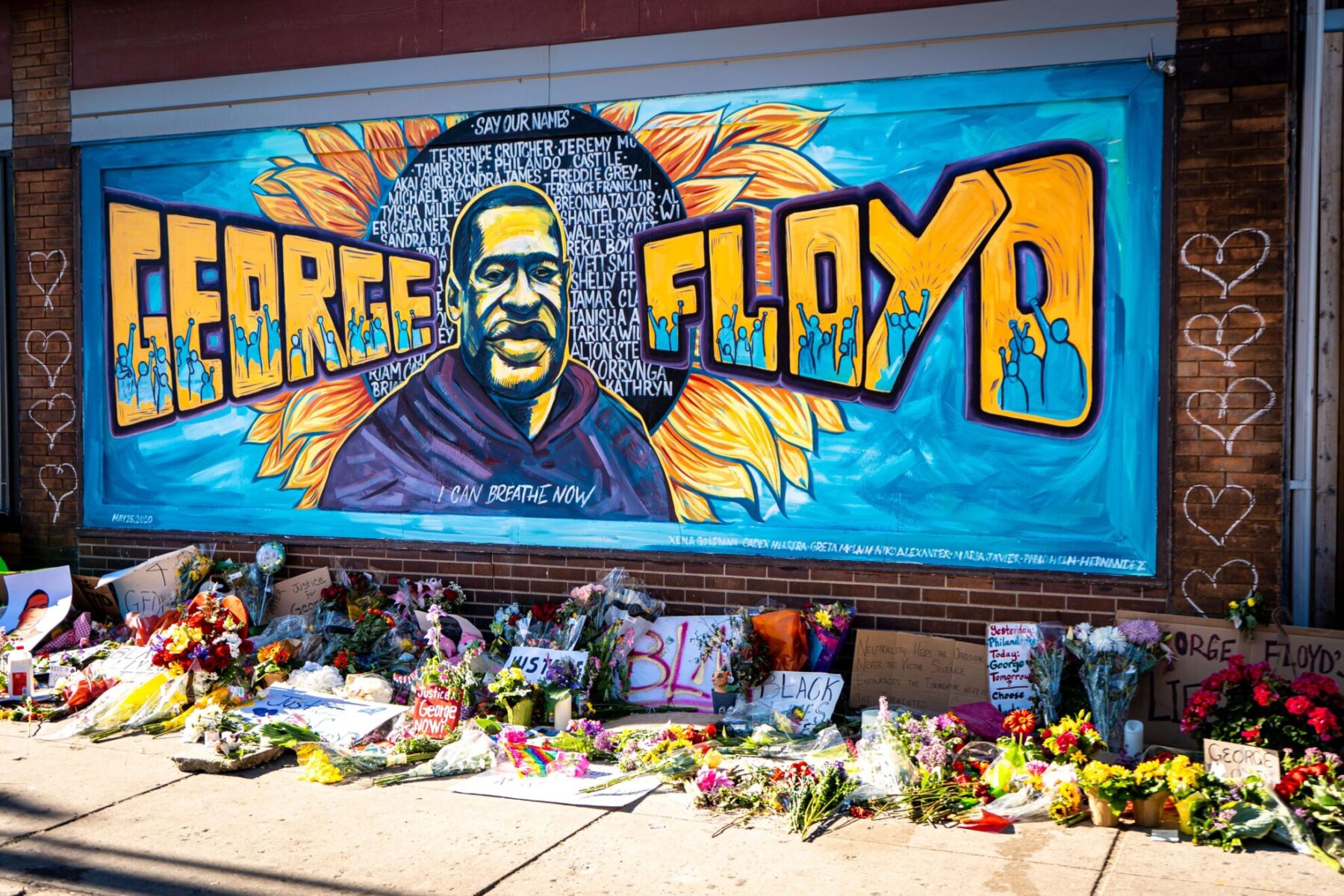
The George Floyd case reminds us of the fatal consequences of systemic prejudice.
Racist prejudice, rooted in the functioning of social systems, is not only manifested in the ultimate consequence of taking a human life.
It is also observed in the microaggressions experienced daily by Black people, such as not being served properly in commercial establishments; in the exclusion from leadership roles in public administration; and the absence of a Black affirmation narrative in the media. More deeply, there are the hidden wounds inflicted by family rejection when a relationship occurs between a white woman and a Black man.
These experiences are not solely individual and isolated. On a more systemic level, studies from the Census Research Center at the University of Puerto Rico, Cayey Campus, show that Black people in Puerto Rico have higher unemployment rates and less access to healthcare. The openly shared secret in Puerto Rico is that colorism is present in all aspects of life: the lighter one's skin tone, the greater the social acceptance.
George Floyd's death calls on us in Puerto Rico to reflect on the impact of racism in society.
The consequence of racism, viewed broadly, is a monumental loss of human capital. Black people are dying as a result of racist optics. And Black people are being left behind due to barriers in access to healthcare, justice, art, quality education, and many other areas of social life in Puerto Rico. The loss of talent—resulting from threats to life itself and exclusionary barriers—comes at an enormous social and economic cost to everyone in Puerto Rico.
These deaths—both Floyd's and the others that have occurred in Puerto Rico—are a reminder for all of Puerto Rican society to recognize its racism expressed through colorism, which grants greater privileges and acceptance to people with light skin. This acceptance and recognition will give us the social and emotional air captured in George Floyd's last cry for life: “Let me breathe.”.
Photo by moonshots on Unsplash
This column was later published in The New Day.